




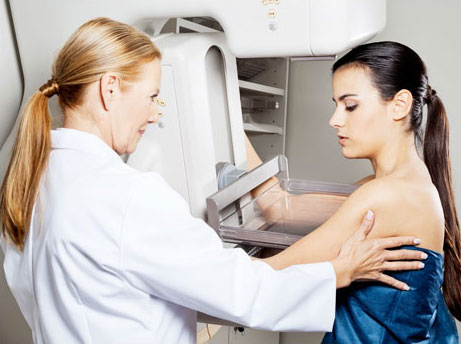
Your annual well-woman exam matters even when you feel fine, and it comes down to one clinical reality: many of the conditions we screen for cause no symptoms at all in their earliest and most treatable stages. Feeling healthy is a good thing. It just isn’t the same thing as being screened.
What Is a Well-Woman Exam?
A well-woman exam is an annual preventive visit that combines a health history review, a physical exam, age-appropriate screening tests, and counseling about your risks. It is scheduled when you are healthy, not when something is wrong, and it gives your board certified physicians a baseline to compare year after year.
That distinction matters. A problem-focused visit answers one question, such as why you’re bleeding between cycles or why pelvic pressure started last month. A preventive visit asks a broader set of questions and looks for what you can’t feel yet.
Conditions that are commonly quiet in their early stages include:
This is also a whole-body visit, not only pelvic care. Your weight, thyroid, abdomen, breasts, mood, medications, and family history all get attention, because women’s health rarely stays inside one organ system. Over time, the numbers and findings we record each year become your personal reference range. When something drifts, we notice it because we know what normal looks like for you.

What Happens During an Annual Well-Woman Visit
A well-woman visit usually takes 20 to 40 minutes and follows a predictable order: history update, vitals and physical exam, pelvic exam with Pap or HPV testing when due, any labs your board certified physicians order, then time for counseling and referrals. Results generally reach you within a few days.
Here is how the visit typically unfolds:
Health history update. We review your cycles, current medications and supplements, surgeries, family history of cancer or heart disease, mental health, and sexual health. Honest answers here shape everything that follows, which is why we work to keep the conversation comfortable and private.
Vitals and physical exam. Blood pressure, weight and BMI, and a physical exam that may include your thyroid, heart and lungs, abdomen, and a clinical breast exam. Small changes in these numbers often show up long before symptoms do.
Pelvic exam and cervical screening. A pelvic exam evaluates the vulva, vagina, cervix, uterus, and ovaries. Pap and HPV testing are added when they’re due based on your age, screening history, and prior results, so not every annual visit includes a Pap.
Lab work and additional screenings as indicated. Depending on your age and risk factors, this may include STD testing, a hemoglobin check for anemia, cholesterol, glucose or A1c, or thyroid studies. Testing is ordered for a reason, and we’ll tell you what each test is looking for.
Counseling and orders. The last portion of the visit is planning. Contraception options, preconception guidance, perimenopause and menopause symptoms, bone health, vaccines, and referrals for mammography or pelvic ultrasound all get handled here.
Most results are available within several days, and abnormal findings are discussed with you directly rather than left to a portal message alone. Come with questions written down. The visit works better when you drive part of the conversation, and open dialogue is a core part of how we deliver excellent care with a patient touch.
Why Your Annual Well-Woman Exam Matters When You Feel Perfectly Fine
Symptoms are late signals. Plenty of gynecologic and metabolic conditions develop quietly for months or years, and the ones we catch early are almost always easier to treat than the ones that announce themselves.
Consider what routinely gets found in women who report feeling completely well:
Cervical cell changes. HPV-related changes rarely cause pain, discharge, or bleeding. Screening is the only reliable way to find them before they progress.
Fibroids and ovarian cysts. Both can grow without discomfort and are frequently identified on a routine pelvic exam or a follow-up ultrasound.
Early breast changes. A clinical breast exam plus mammography scheduling catches findings that self-awareness alone can miss.
Silent cardiovascular and metabolic shifts. Rising blood pressure, cholesterol, and blood sugar don’t hurt. They do shape your heart risk for decades, and heart disease remains the leading cause of death among women in the United States, according to the CDC.
Perimenopausal hormone changes. Bone density loss, thyroid shifts, and cycle irregularity often begin before you’d describe yourself as symptomatic.
Annual visits also create something a single appointment never can: a documented trend line. One blood pressure reading is a data point. Five years of readings shows a pattern, and that pattern is what allows us to act early and confidently.
There’s a practical benefit too. When you already have an established relationship with your Women’s Physician Group care team, an urgent concern gets handled faster because we know your history, your medications, and your baseline. Yearly visits keep vaccines current, keep screening intervals on schedule, and keep contraception prescriptions from lapsing at an inconvenient moment.
Well-Woman Exam vs. Pap Smear vs. Sick Visit
These three are frequently confused, and the confusion causes missed appointments. A Pap smear is a single test performed during a well-woman exam. It is not the exam itself.
| Well-Woman Exam | Pap Smear (Cervical Screening) | Problem or Sick Visit | |
|---|---|---|---|
| Purpose | Full preventive care, screening, and counseling | Screens for cervical cancer and precancerous changes | Evaluates one specific symptom or concern |
| How often | Annually for most women | Typically every 3 to 5 years, based on age, test type, and history | As needed, whenever symptoms appear |
| What’s included | History, vitals, physical and breast exam, pelvic exam, labs, referrals, counseling | Cell sample from the cervix, often with HPV testing | Focused history and exam, targeted testing |
| Typical duration | 20 to 40 minutes | A few minutes, performed within the visit | 15 to 20 minutes |
According to the American College of Obstetricians and Gynecologists, cervical cancer screening intervals for most women extend to every three years with cytology alone or every five years with HPV-based testing, depending on age and prior results.
Here’s the myth worth retiring: “My Pap isn’t due, so I don’t need my annual.” Screening intervals lengthened. Preventive care did not. In a Pap-free year, that appointment still covers blood pressure, breast health, labs, contraception, mental health, mammogram coordination, and menopause management.
What Affects the Cost of a Well-Woman Exam
Most women pay nothing out of pocket for an annual well-woman exam. Most insurance plans cover one preventive well-woman visit per year with no cost share when you see an in-network provider. Charges usually appear for a different reason: added labs, imaging, or a new symptom that shifts part of the visit from preventive to problem-focused billing. Knowing that distinction in advance keeps the statement from surprising you later.
Factors that influence what you actually pay:
Preventive vs. diagnostic coding. If you bring up new pelvic pain or abnormal bleeding, part of the visit becomes problem-focused care, and those services apply your deductible and copay.
Add-on testing. STD panels, thyroid studies, extended lab work, pelvic ultrasound, and diagnostic mammography are typically billed separately from the preventive visit.
Deductible status and plan type. High-deductible plans, HMO referral rules, and marketplace plan tiers all change your responsibility.
In-network vs. out-of-network status. Network status usually has a larger effect on your bill than any other single factor.
Self-pay arrangements. We usually quote self-pay pricing before your visit so you know what to expect.
One useful habit: before testing is ordered, ask which portions are preventive and which are billed as problem-focused. Our office staff can also verify your benefits ahead of time, and online bill payment is available if a balance does apply.
Who Should Schedule a Well-Woman Exam
Annual preventive care is recommended for most women from the teen years through post-menopause. What happens during the visit changes considerably by age, but the yearly rhythm stays the same. Same visit, different agenda.
| Age Range | Typical Focus of the Visit |
|---|---|
| 13 to 21 | Mostly conversation: cycles, HPV vaccination, safety, body changes, and contraception. A pelvic exam usually isn’t needed at a first visit. |
| 21 to 39 | Cervical screening begins, plus contraception planning, preconception counseling, cycle irregularity, and STD screening as indicated. |
| 40 to 64 | Mammography coordination, perimenopausal and menopausal symptoms, abnormal bleeding evaluation, bone health, and cardiovascular risk. |
| 65 and older | Continued pelvic and vulvar health, menopause management, incontinence and prolapse concerns, and individualized decisions about ongoing cancer surveillance. |
ACOG recommends that a young woman’s first reproductive health visit take place between ages 13 and 15, and that first appointment is usually a conversation rather than an examination.
Don’t wait for your yearly slot if something changes. Call sooner for new or heavy bleeding, bleeding after menopause, pelvic pain, a breast lump or nipple discharge, pain with intercourse, or when you’re ready to start planning a pregnancy.
Preventive Care Across Every Stage of Life
Preventive care is the least dramatic and most valuable appointment on your calendar. A well-woman exam gives you one yearly checkpoint where nothing has to be wrong for the visit to be worthwhile, and that is exactly what makes it useful. Screening intervals get tracked, vaccines stay current, lab results get compared against last year’s numbers, and the questions you have been carrying around for months finally get answered by someone who already knows your history.
Women’s Physician Group cares for women through pregnancy, contraception decisions, cycle troubles, perimenopause, and the years well past it, and our board certified physicians bring decades of combined clinical experience to every preventive visit. As premier providers of women healthcare in the mid south, we believe education and open dialogue belong in the exam room right alongside the screening tests. That belief is the heart of the excellent care with a patient touch you receive here, and it shapes how much time we spend explaining results instead of simply reporting them.
Whatever stage you are in, whether you are coming in for a first visit as a teenager, planning for your newest addition, or working through menopause symptoms, the annual well-woman exam is the thread that ties your record together year after year. Healing for every stage of your life begins with the visits you keep when nothing hurts. Let us care for you, and share in the WPG experience at a pace that fits your questions, your comfort level, and your calendar. Our offices see women for annual preventive care throughout the year, and our staff is glad to walk you through what to expect before you ever change into a gown.
Frequently Asked Questions
Do I need a well-woman exam every year if I feel fine?
Yes. Screening, counseling, blood pressure monitoring, and lab work stay on an annual schedule even in years when a Pap test isn’t due. Many conditions we look for produce no symptoms early on, so an appointment when you feel well is exactly the point.
Is a Pap smear done at every annual visit?
No. Cervical screening intervals depend on your age, the type of test used, and your prior results, and for many women that means every three to five years. Your annual visit still happens in the years between. Your board certified physicians will tell you when your next Pap or HPV test is due.
Can I come in during my period?
Usually yes. A well-woman visit can go forward during light or moderate bleeding, and vitals, breast exam, labs, and counseling are unaffected. Heavy bleeding can interfere with Pap sample quality, so that one test may be rescheduled. Call the office if you’re unsure.
Do I still need a well-woman exam after a hysterectomy or menopause?
Yes. A pelvic and vulvar exam still evaluates tissue health, prolapse, incontinence, and any post-menopausal bleeding, which always warrants evaluation. Menopause management, bone health, breast screening, and cardiovascular risk review continue regardless of hysterectomy status. Some women no longer need cervical screening, and your board certified physicians will confirm that based on your surgical and screening history.
What should I bring or track before my appointment?
Bring the date your last period started, your typical cycle length, a current list of medications and supplements, your family history of cancer and heart disease, and any symptoms you’ve noticed. Write your questions down. It’s easy to forget them once the visit begins.
How should I prepare for a well-woman exam?
If Pap testing is planned, avoid douching, vaginal creams, and intercourse for 24 to 48 hours beforehand so the sample stays accurate. Otherwise no special preparation is needed. Wear something comfortable, and arrive a few minutes early to update your insurance and history forms.