
What to Expect at Your First Prenatal Visit

What Is the First Prenatal Visit?

Your first prenatal visit is a 45 to 60 minute appointment, usually scheduled between 8 and 12 weeks of pregnancy. Your board certified physician confirms the pregnancy, establishes your due date, reviews your health history, orders lab work, and often performs an early ultrasound. It also sets the schedule for the rest of your prenatal care.

Most women call for that first appointment a few days after a positive home pregnancy test, which often falls around 6 to 8 weeks from the first day of your last menstrual period. The office may schedule you a few weeks out so that an early ultrasound can pick up a heartbeat and give a reliable due date.

This is the longest visit of your entire pregnancy, for good reason. Everything gathered at this appointment becomes the baseline for the months ahead: your blood pressure, your weight, your blood type, your immunity status, and your personal and family medical history. Bring your questions. At Women’s Physician Group, we want you to leave the first visit knowing what happens next and who to call between appointments. Excitement and nerves tend to show up together at this appointment, and both are welcome in the exam room. Bring your partner, bring your list of questions, and let us care for you from the very beginning.

Pregnant woman smiling during a 3D/4D ultrasound with partner, showcasing bonding experience and prenatal care at Women’s Physician Group.

Step by Step: What to Expect at Your First Prenatal Visit

Your first prenatal appointment follows a predictable order: intake and vitals, a detailed history review, a physical exam, lab work, and a conversation about screening options. Most visits end with a due date and your next appointment on the calendar. Plan for roughly an hour from check-in to checkout.

  1. Intake and vitals
  • Height, weight, and pre-pregnancy weight for reference
  • Blood pressure reading
  • Urine sample to check for protein, sugar, and signs of infection
  1. Health history review
    This part of the visit takes the most time. Our board certified physicians and nurse practitioners will ask about:
  • Past pregnancies, deliveries, miscarriages, or pregnancy losses
  • Menstrual history, including the first day of your last period and your usual cycle length
  • Prior surgeries, hospitalizations, and chronic conditions such as diabetes, thyroid disease, or high blood pressure
  • All prescriptions, over-the-counter medicines, vitamins, and herbal supplements you take
  • Allergies, tobacco, alcohol, and substance use
  • Family history of genetic conditions, birth defects, or inherited disease on both sides
  1. Due date calculation
    Your estimated due date starts with the first day of your last menstrual period. If your cycles are irregular, if you’re unsure of dates, or if the numbers don’t match your exam, a dating ultrasound settles it. According to the American College of Obstetricians and Gynecologists, ultrasound measurement in the first trimester is the most accurate method for establishing a due date.
  2. Physical exam
  • General exam of the heart, lungs, thyroid, and abdomen
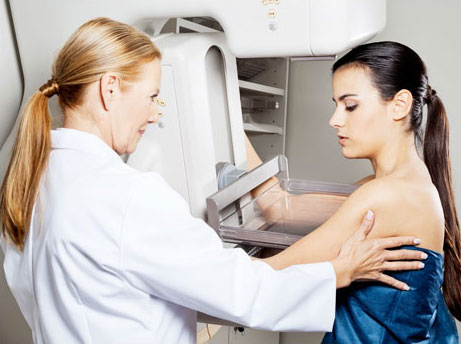
  • Breast exam
  • Pelvic exam and Pap test, if you’re due for cervical cancer screening
  • Early ultrasound in many cases, which doubles as a first bonding experience for mom and dad
  1. Lab work
    A single blood draw usually covers the full first-trimester panel:
  • Blood type and Rh factor
  • Complete blood count to screen for anemia
  • Immunity screens for rubella and varicella
  • Hepatitis B, HIV, and syphilis testing
  • Thyroid function, when your history calls for it
  • Urine culture
  • Gonorrhea and chlamydia testing, based on age and risk factors
  1. Screening options and next steps
    You’ll hear about first-trimester genetic screening choices, including cell-free DNA testing and nuchal translucency ultrasound, along with carrier screening. Prenatal vitamins, folic acid, food safety, travel, exercise, and which medications are safe all get covered before you go. Then we schedule your next visit.

Why the First Prenatal Visit Matters

The first visit does more than confirm what the home test already told you. It shapes decisions all the way to delivery day.

An accurate due date guides everything. Timing for genetic screening, the anatomy ultrasound, glucose testing, growth checks, and any discussion about induction all depend on accurate dating.

Silent conditions get caught early. Anemia, thyroid disorders, elevated blood pressure, gestational diabetes risk, and asymptomatic urinary infections are far easier to manage when they’re found in the first trimester.

Location and viability are confirmed. An early ultrasound verifies that the pregnancy is inside the uterus and developing as expected, which rules out ectopic pregnancy.

Medications get reviewed. Some prescriptions need to be adjusted or swapped in pregnancy. Prenatal vitamins and folic acid start now if they haven’t already.

You build a relationship with your team. First-trimester nausea, fatigue, spotting, work restrictions, and food questions are all worth bringing up.

Open dialogue matters to us. We want you comfortable enough to say what’s really on your mind, because the questions you hold back are often the important ones. The board certified physicians and nurse practitioners at Women’s Physician Group build this first-visit foundation deliberately, because excellent care with a patient touch depends on knowing your full history long before any symptom shows up.

First Prenatal Visit vs. Later Prenatal Visits

Your first appointment is the longest and most detailed. Routine visits after that are shorter and more focused, typically running 10 to 15 minutes once everything is established.

First Prenatal VisitRoutine Second & Third Trimester Visits
Length45 to 60 minutes10 to 15 minutes
TimingUsually 8 to 12 weeksEvery 4 weeks to 28 weeks, every 2 weeks to 36 weeks, then weekly
ExamsFull physical, breast exam, possible pelvic exam and Pap testBlood pressure, weight, fundal height, fetal heart tones
Lab workFull panel: blood type and Rh, CBC, immunity screens, infectious disease testing, urine cultureTargeted only: glucose screening at 24 to 28 weeks, Group B strep at 35 to 37 weeks, repeat CBC
UltrasoundOften an early dating scanAnatomy scan around 18 to 22 weeks, growth scans as needed
Topics coveredHistory, due date, genetic screening, nutrition, medication safetyFetal movement, symptoms, birth plan, breastfeeding, labor signs

Visit frequency follows the schedule recommended by the American College of Obstetricians and Gynecologists, though our board certified physicians will see you more often if your pregnancy needs closer watching. Twins, chronic hypertension, diabetes, and a history of preterm birth all shift the schedule.

Cost and Insurance: What Affects Your First Prenatal Visit Bill

Most insurance plans cover prenatal visits as preventive maternity benefits, so your first prenatal visit may cost little out of pocket. What you actually owe depends on your deductible, whether the office is in your network, how the laboratory bills your blood work, and whether ultrasound charges are separate from the office visit.

FactorHow It Affects Your Bill
Deductible statusUnmet deductibles often apply to labs and ultrasounds even when the visit itself is covered
Network statusIn-network offices bill at contracted rates; out-of-network care usually costs more
Lab workBlood and urine tests are frequently billed by an outside laboratory, arriving as a separate statement
UltrasoundDating and anatomy scans are typically billed on their own, apart from the visit
Global maternity billingMany plans bundle routine prenatal visits, delivery, and postpartum care into one global charge

Questions worth asking your insurer before you come in:

  • What is my remaining deductible, and does maternity care apply to it?
  • Do I owe a copay for prenatal visits, or are they included in a global maternity fee?
  • Which laboratory is in network for my blood work?
  • Is my delivery hospital in network?

Benefits vary widely from one plan to the next, so the answers you get directly from your own insurer will always be more accurate than a general estimate. Ask specifically whether your prenatal labs are processed by an in-network laboratory, since outside lab statements are one of the most common billing surprises in early pregnancy. Keeping every explanation of benefits statement in a single folder throughout the pregnancy makes it much easier to match charges against what your plan already covered, and it gives you a clear record if a claim needs to be reviewed later.

When Should You Schedule Your First Prenatal Visit?

Call to schedule your first prenatal visit as soon as you have a positive home pregnancy test. Most first visits take place between 8 and 12 weeks of pregnancy. If you’ve had a miscarriage, bleeding, pelvic pain, or an IVF pregnancy, ask to be seen closer to 6 or 7 weeks instead.

When you call Women’s Physician Group to schedule, have the first day of your last menstrual period ready, since that date determines which appointment window makes sense for you. If any of the situations listed below apply to you, mention them during the call so an earlier appointment can be arranged.

Ask for an earlier appointment if you have:

  • A history of miscarriage, ectopic pregnancy, or pregnancy loss
  • Bleeding, spotting, or one-sided pelvic pain
  • A pregnancy conceived through IVF or fertility treatment
  • Type 1 or type 2 diabetes, chronic hypertension, or thyroid disease
  • A seizure disorder, autoimmune condition, or clotting disorder
  • Age 35 or older, a known multiple pregnancy, or a prior preterm birth
  • Prescription medications that may need adjusting in early pregnancy

Twelve weeks is not too late for a first visit, and plenty of women start there. Earlier care simply widens your options, since some genetic screening tests have narrow windows in the first trimester.

What to bring:

  • Your insurance card and photo ID
  • The date your last menstrual period began
  • A complete list of medications, vitamins, and supplements with doses
  • Family medical history for both sides, including any genetic conditions
  • Records from previous pregnancies or deliveries, if you have them
  • A written list of questions

Partners are welcome and encouraged. Two sets of ears catch more than one, and hearing that first heartbeat together is a moment most couples remember.

Frequently Asked Questions About the First Prenatal Visit

How long does the first prenatal visit take?
Plan on 45 to 60 minutes, plus check-in time. Most of that hour goes to reviewing your medical, surgical, menstrual, and family history in detail. Later prenatal visits are much shorter, usually 10 to 15 minutes.

Will I have an ultrasound at my first prenatal visit?
Often, yes. An early ultrasound confirms that the pregnancy is inside the uterus, checks for a heartbeat, and establishes a reliable due date, particularly when your cycles are irregular or your dates are uncertain. Dating scans are commonly performed in an office setting, and the imaging you have later in pregnancy often becomes a bonding experience for you and your loved ones as you get an early look at your newest addition.

Is 12 weeks too late for a first prenatal visit?
No, 12 weeks is not too late, and many women have their first visit right at that point. Starting earlier gives you a wider window for first-trimester genetic screening and more time to address conditions like anemia or thyroid disease. If you’re already past 12 weeks, call and get scheduled soon rather than waiting longer.

Should my husband or partner come to the first prenatal appointment?
Partners are welcome at the first visit and at every visit after it. Having your husband or partner there helps with remembering instructions, and it means you both hear the due date and see the early ultrasound at the same time. Some couples split it up, with the partner joining for the ultrasound portion if work schedules are tight.

Do they do a pelvic exam or Pap smear at the first prenatal visit?
Sometimes. A pelvic exam and Pap test are performed if you’re due for cervical cancer screening or if there’s a specific reason to examine you, such as bleeding or discharge. If your last Pap was recent and normal, you may not need one. Your physician will explain what’s being done and why before starting.

What questions should I ask at my first prenatal appointment?
Write them down beforehand so nothing gets forgotten. Useful ones include:

  • What’s my exact due date, and how was it calculated?
  • Which prenatal vitamin do you recommend?
  • Which of my current medications are safe to continue?
  • What genetic screening options do I have, and when are they done?
  • What symptoms should prompt a phone call versus a trip to the hospital?
  • How much weight gain is appropriate for me?
  • Which hospital will I deliver at, and who might be on call?

Why Your Annual Well-Woman Exam Matters, Even If You Feel Fine

Your annual well-woman exam matters even when you feel fine, and it comes down to one clinical reality: many of the conditions we screen for cause no symptoms at all in their earliest and most treatable stages. Feeling healthy is a good thing. It just isn’t the same thing as being screened.

What Is a Well-Woman Exam?

A well-woman exam is an annual preventive visit that combines a health history review, a physical exam, age-appropriate screening tests, and counseling about your risks. It is scheduled when you are healthy, not when something is wrong, and it gives your board certified physicians a baseline to compare year after year.

That distinction matters. A problem-focused visit answers one question, such as why you’re bleeding between cycles or why pelvic pressure started last month. A preventive visit asks a broader set of questions and looks for what you can’t feel yet.

Conditions that are commonly quiet in their early stages include:

  • Elevated blood pressure
  • Cervical cell changes caused by HPV
  • Iron-deficiency anemia
  • Thyroid dysfunction
  • Prediabetes and high cholesterol

This is also a whole-body visit, not only pelvic care. Your weight, thyroid, abdomen, breasts, mood, medications, and family history all get attention, because women’s health rarely stays inside one organ system. Over time, the numbers and findings we record each year become your personal reference range. When something drifts, we notice it because we know what normal looks like for you.

What Happens During an Annual Well-Woman Visit

A well-woman visit usually takes 20 to 40 minutes and follows a predictable order: history update, vitals and physical exam, pelvic exam with Pap or HPV testing when due, any labs your board certified physicians order, then time for counseling and referrals. Results generally reach you within a few days.

Here is how the visit typically unfolds:

Health history update. We review your cycles, current medications and supplements, surgeries, family history of cancer or heart disease, mental health, and sexual health. Honest answers here shape everything that follows, which is why we work to keep the conversation comfortable and private.

Vitals and physical exam. Blood pressure, weight and BMI, and a physical exam that may include your thyroid, heart and lungs, abdomen, and a clinical breast exam. Small changes in these numbers often show up long before symptoms do.

Pelvic exam and cervical screening. A pelvic exam evaluates the vulva, vagina, cervix, uterus, and ovaries. Pap and HPV testing are added when they’re due based on your age, screening history, and prior results, so not every annual visit includes a Pap.

Lab work and additional screenings as indicated. Depending on your age and risk factors, this may include STD testing, a hemoglobin check for anemia, cholesterol, glucose or A1c, or thyroid studies. Testing is ordered for a reason, and we’ll tell you what each test is looking for.

Counseling and orders. The last portion of the visit is planning. Contraception options, preconception guidance, perimenopause and menopause symptoms, bone health, vaccines, and referrals for mammography or pelvic ultrasound all get handled here.

Most results are available within several days, and abnormal findings are discussed with you directly rather than left to a portal message alone. Come with questions written down. The visit works better when you drive part of the conversation, and open dialogue is a core part of how we deliver excellent care with a patient touch.

Why Your Annual Well-Woman Exam Matters When You Feel Perfectly Fine

Symptoms are late signals. Plenty of gynecologic and metabolic conditions develop quietly for months or years, and the ones we catch early are almost always easier to treat than the ones that announce themselves.

Consider what routinely gets found in women who report feeling completely well:

Cervical cell changes. HPV-related changes rarely cause pain, discharge, or bleeding. Screening is the only reliable way to find them before they progress.

Fibroids and ovarian cysts. Both can grow without discomfort and are frequently identified on a routine pelvic exam or a follow-up ultrasound.

Early breast changes. A clinical breast exam plus mammography scheduling catches findings that self-awareness alone can miss.

Silent cardiovascular and metabolic shifts. Rising blood pressure, cholesterol, and blood sugar don’t hurt. They do shape your heart risk for decades, and heart disease remains the leading cause of death among women in the United States, according to the CDC.

Perimenopausal hormone changes. Bone density loss, thyroid shifts, and cycle irregularity often begin before you’d describe yourself as symptomatic.

Annual visits also create something a single appointment never can: a documented trend line. One blood pressure reading is a data point. Five years of readings shows a pattern, and that pattern is what allows us to act early and confidently.

There’s a practical benefit too. When you already have an established relationship with your Women’s Physician Group care team, an urgent concern gets handled faster because we know your history, your medications, and your baseline. Yearly visits keep vaccines current, keep screening intervals on schedule, and keep contraception prescriptions from lapsing at an inconvenient moment.

Well-Woman Exam vs. Pap Smear vs. Sick Visit

These three are frequently confused, and the confusion causes missed appointments. A Pap smear is a single test performed during a well-woman exam. It is not the exam itself.

Well-Woman ExamPap Smear (Cervical Screening)Problem or Sick Visit
PurposeFull preventive care, screening, and counselingScreens for cervical cancer and precancerous changesEvaluates one specific symptom or concern
How oftenAnnually for most womenTypically every 3 to 5 years, based on age, test type, and historyAs needed, whenever symptoms appear
What’s includedHistory, vitals, physical and breast exam, pelvic exam, labs, referrals, counselingCell sample from the cervix, often with HPV testingFocused history and exam, targeted testing
Typical duration20 to 40 minutesA few minutes, performed within the visit15 to 20 minutes

According to the American College of Obstetricians and Gynecologists, cervical cancer screening intervals for most women extend to every three years with cytology alone or every five years with HPV-based testing, depending on age and prior results.

Here’s the myth worth retiring: “My Pap isn’t due, so I don’t need my annual.” Screening intervals lengthened. Preventive care did not. In a Pap-free year, that appointment still covers blood pressure, breast health, labs, contraception, mental health, mammogram coordination, and menopause management.

What Affects the Cost of a Well-Woman Exam

Most women pay nothing out of pocket for an annual well-woman exam. Most insurance plans cover one preventive well-woman visit per year with no cost share when you see an in-network provider. Charges usually appear for a different reason: added labs, imaging, or a new symptom that shifts part of the visit from preventive to problem-focused billing. Knowing that distinction in advance keeps the statement from surprising you later.

Factors that influence what you actually pay:

Preventive vs. diagnostic coding. If you bring up new pelvic pain or abnormal bleeding, part of the visit becomes problem-focused care, and those services apply your deductible and copay.

Add-on testing. STD panels, thyroid studies, extended lab work, pelvic ultrasound, and diagnostic mammography are typically billed separately from the preventive visit.

Deductible status and plan type. High-deductible plans, HMO referral rules, and marketplace plan tiers all change your responsibility.

In-network vs. out-of-network status. Network status usually has a larger effect on your bill than any other single factor.

Self-pay arrangements. We usually quote self-pay pricing before your visit so you know what to expect.

One useful habit: before testing is ordered, ask which portions are preventive and which are billed as problem-focused. Our office staff can also verify your benefits ahead of time, and online bill payment is available if a balance does apply.

Who Should Schedule a Well-Woman Exam

Annual preventive care is recommended for most women from the teen years through post-menopause. What happens during the visit changes considerably by age, but the yearly rhythm stays the same. Same visit, different agenda.

Age RangeTypical Focus of the Visit
13 to 21Mostly conversation: cycles, HPV vaccination, safety, body changes, and contraception. A pelvic exam usually isn’t needed at a first visit.
21 to 39Cervical screening begins, plus contraception planning, preconception counseling, cycle irregularity, and STD screening as indicated.
40 to 64Mammography coordination, perimenopausal and menopausal symptoms, abnormal bleeding evaluation, bone health, and cardiovascular risk.
65 and olderContinued pelvic and vulvar health, menopause management, incontinence and prolapse concerns, and individualized decisions about ongoing cancer surveillance.

ACOG recommends that a young woman’s first reproductive health visit take place between ages 13 and 15, and that first appointment is usually a conversation rather than an examination.

Don’t wait for your yearly slot if something changes. Call sooner for new or heavy bleeding, bleeding after menopause, pelvic pain, a breast lump or nipple discharge, pain with intercourse, or when you’re ready to start planning a pregnancy.

Preventive Care Across Every Stage of Life

Preventive care is the least dramatic and most valuable appointment on your calendar. A well-woman exam gives you one yearly checkpoint where nothing has to be wrong for the visit to be worthwhile, and that is exactly what makes it useful. Screening intervals get tracked, vaccines stay current, lab results get compared against last year’s numbers, and the questions you have been carrying around for months finally get answered by someone who already knows your history.

Women’s Physician Group cares for women through pregnancy, contraception decisions, cycle troubles, perimenopause, and the years well past it, and our board certified physicians bring decades of combined clinical experience to every preventive visit. As premier providers of women healthcare in the mid south, we believe education and open dialogue belong in the exam room right alongside the screening tests. That belief is the heart of the excellent care with a patient touch you receive here, and it shapes how much time we spend explaining results instead of simply reporting them.

Whatever stage you are in, whether you are coming in for a first visit as a teenager, planning for your newest addition, or working through menopause symptoms, the annual well-woman exam is the thread that ties your record together year after year. Healing for every stage of your life begins with the visits you keep when nothing hurts. Let us care for you, and share in the WPG experience at a pace that fits your questions, your comfort level, and your calendar. Our offices see women for annual preventive care throughout the year, and our staff is glad to walk you through what to expect before you ever change into a gown.

Frequently Asked Questions

Do I need a well-woman exam every year if I feel fine?
Yes. Screening, counseling, blood pressure monitoring, and lab work stay on an annual schedule even in years when a Pap test isn’t due. Many conditions we look for produce no symptoms early on, so an appointment when you feel well is exactly the point.

Is a Pap smear done at every annual visit?
No. Cervical screening intervals depend on your age, the type of test used, and your prior results, and for many women that means every three to five years. Your annual visit still happens in the years between. Your board certified physicians will tell you when your next Pap or HPV test is due.

Can I come in during my period?
Usually yes. A well-woman visit can go forward during light or moderate bleeding, and vitals, breast exam, labs, and counseling are unaffected. Heavy bleeding can interfere with Pap sample quality, so that one test may be rescheduled. Call the office if you’re unsure.

Do I still need a well-woman exam after a hysterectomy or menopause?
Yes. A pelvic and vulvar exam still evaluates tissue health, prolapse, incontinence, and any post-menopausal bleeding, which always warrants evaluation. Menopause management, bone health, breast screening, and cardiovascular risk review continue regardless of hysterectomy status. Some women no longer need cervical screening, and your board certified physicians will confirm that based on your surgical and screening history.

What should I bring or track before my appointment?
Bring the date your last period started, your typical cycle length, a current list of medications and supplements, your family history of cancer and heart disease, and any symptoms you’ve noticed. Write your questions down. It’s easy to forget them once the visit begins.

How should I prepare for a well-woman exam?
If Pap testing is planned, avoid douching, vaginal creams, and intercourse for 24 to 48 hours beforehand so the sample stays accurate. Otherwise no special preparation is needed. Wear something comfortable, and arrive a few minutes early to update your insurance and history forms.

Women’s Physician Group Celebrates 20 Years of Service With a Happy Birthday Surprise for Dr. Lanetta Anderson

Surprising Dr. Lanetta, “the birthday girl,” was made easier by the fact that the partnership usually celebrates a group anniversary of their work-union in August. So, she naturally assumed that her individual work anniversary – and her birthday – had simply slipped by without notice. What she did not know was that the WPG docs were planning a major event for their beloved friend and partner – a surprise birthday celebration!

They booked the new Elvis Presley Hotel for January 25th and spent months in hushed negotiations with family and friends both near and far. The hosting docs lined everyone up to come to Memphis to celebrate along with the community and its leaders – all who are near and dear to Dr. Lanetta.

Finally, the evening arrived. Members of her family, the cornerstone of her life, were able to attend, including her 88-year-old
mother, her brothers, sisters, nieces and nephews.

The evening was captured on video as well as the celebrity-worthy event coverage by still photographers as classmates and friends expressed their well-wishes.More than 115 people were on hand for the festivities which included dinner, dancing, and a celebration of the life and servant leadership of Dr. Lanetta Anderson.